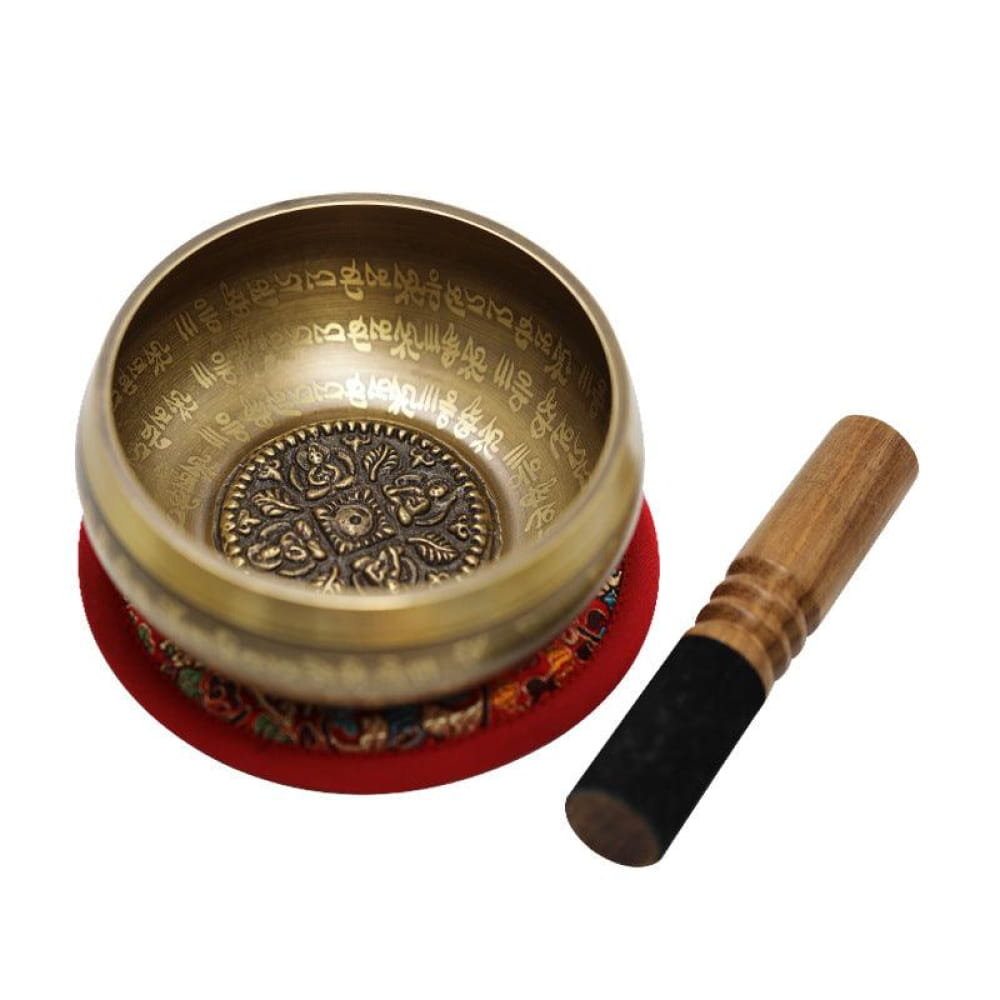
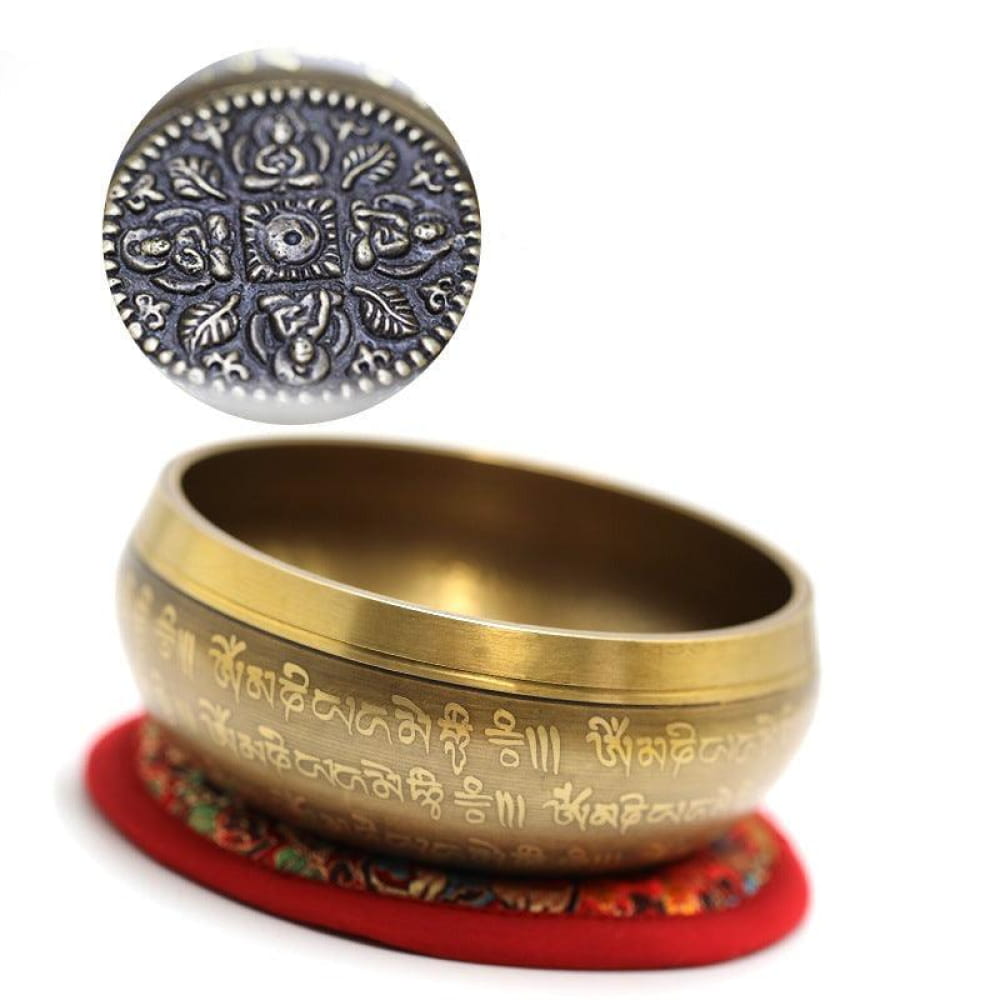
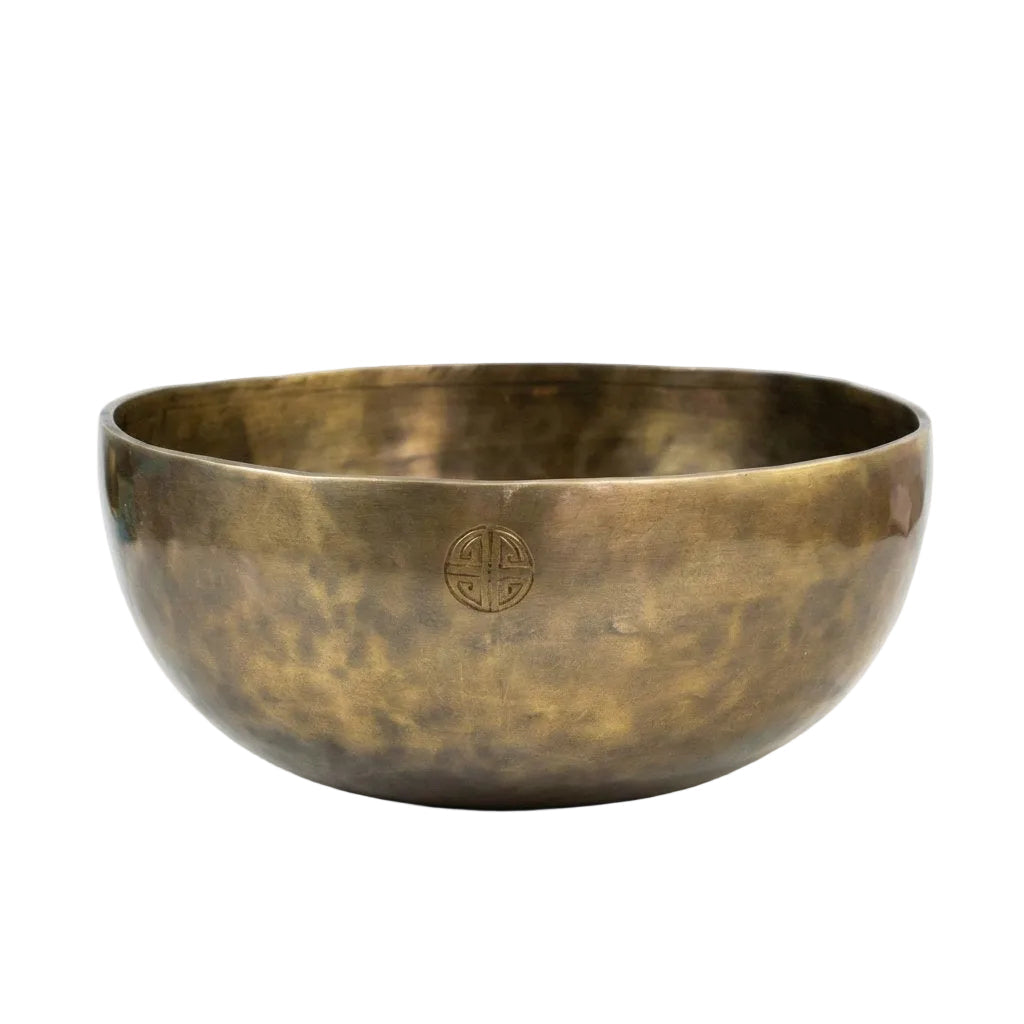
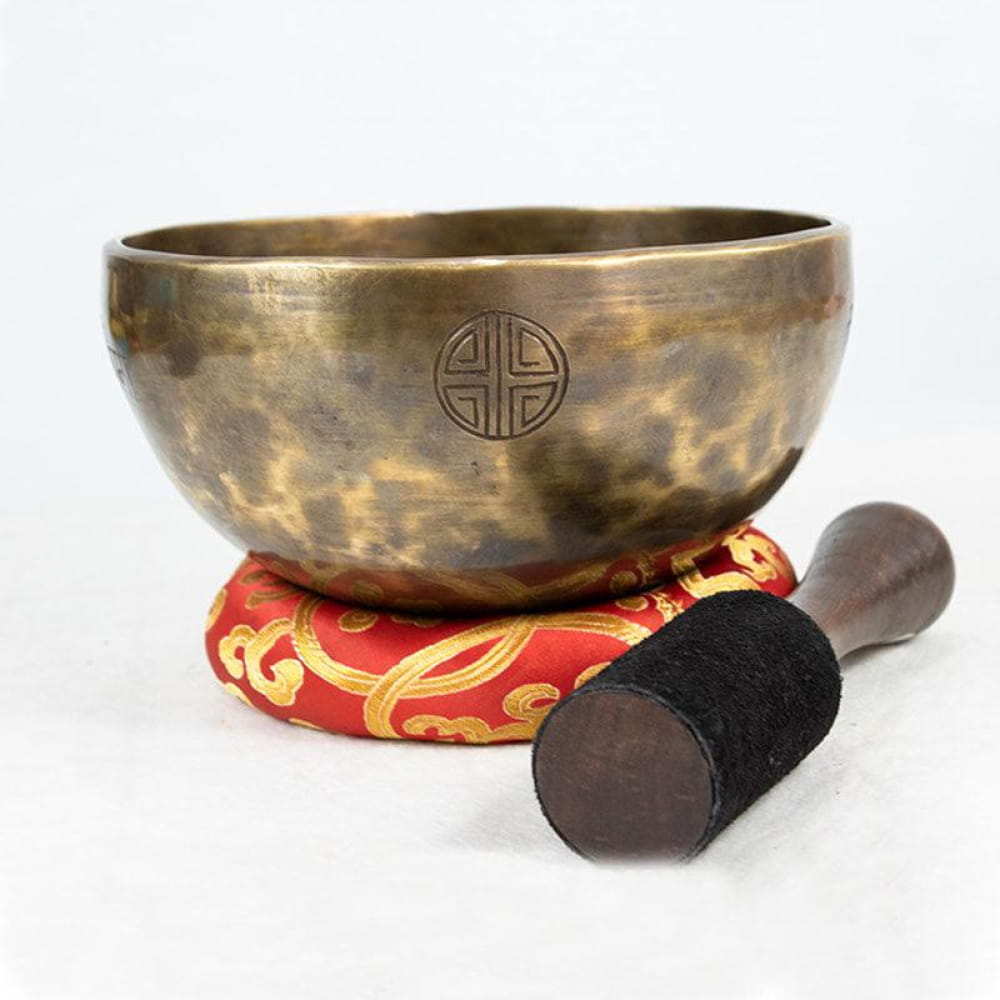
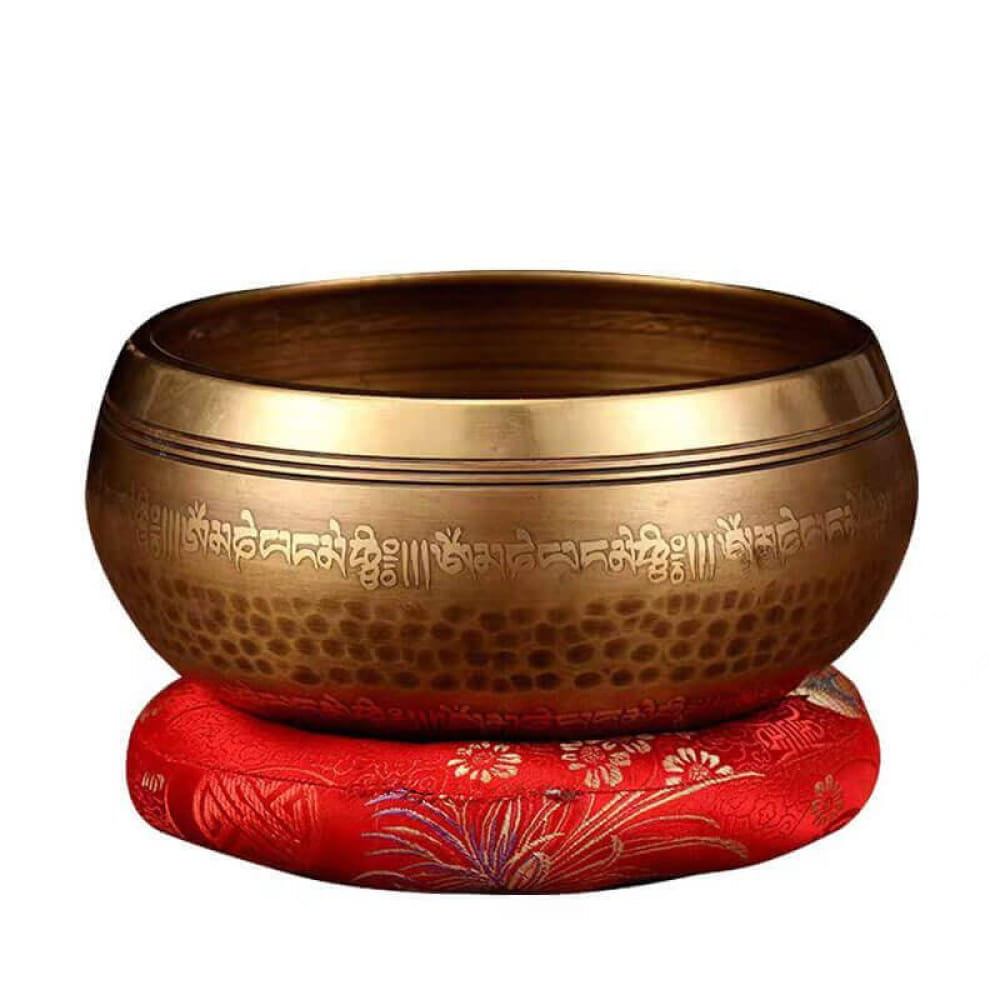
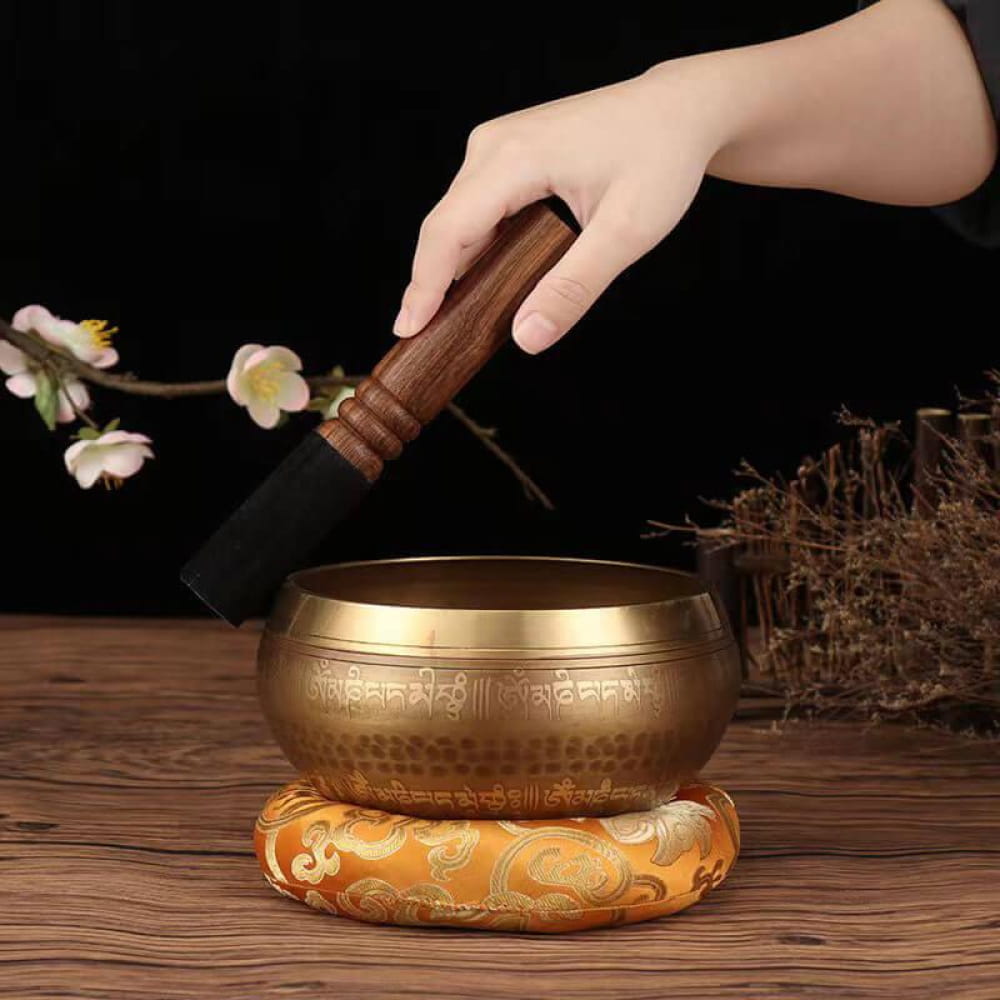
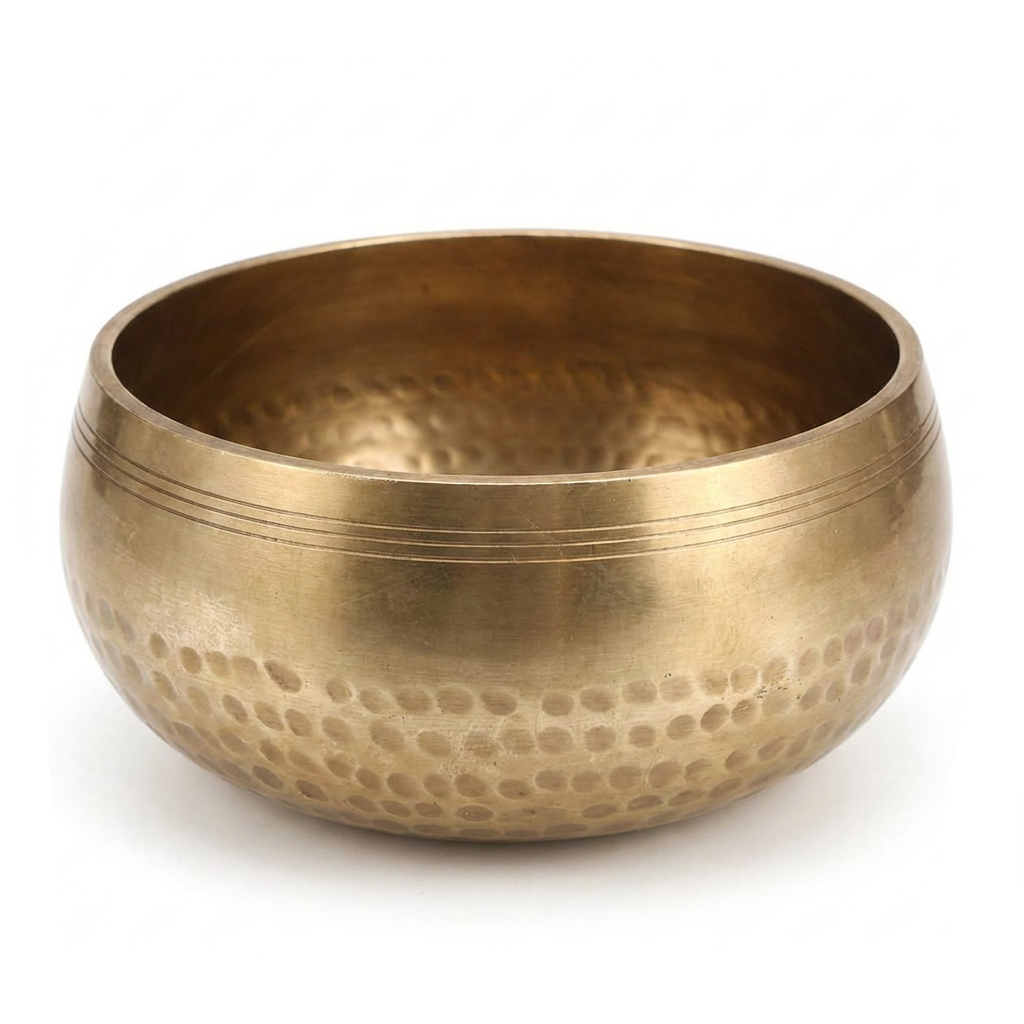
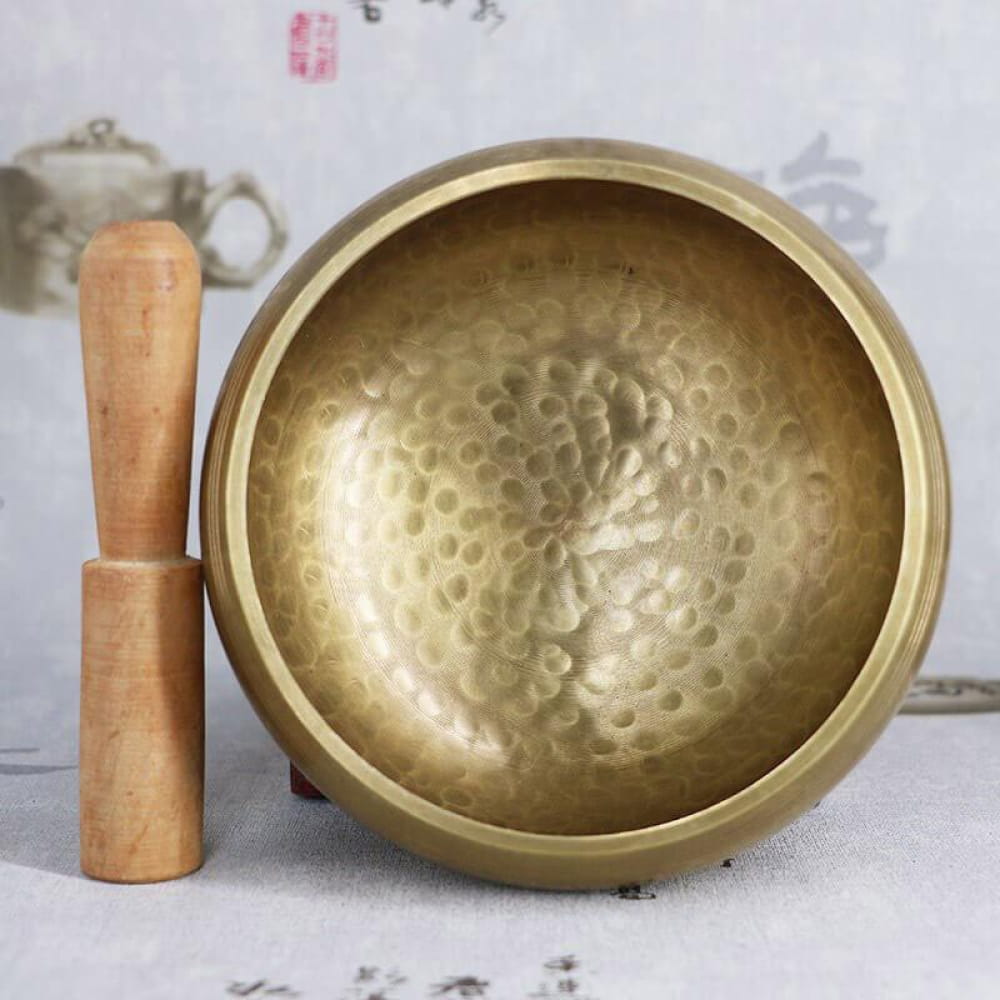
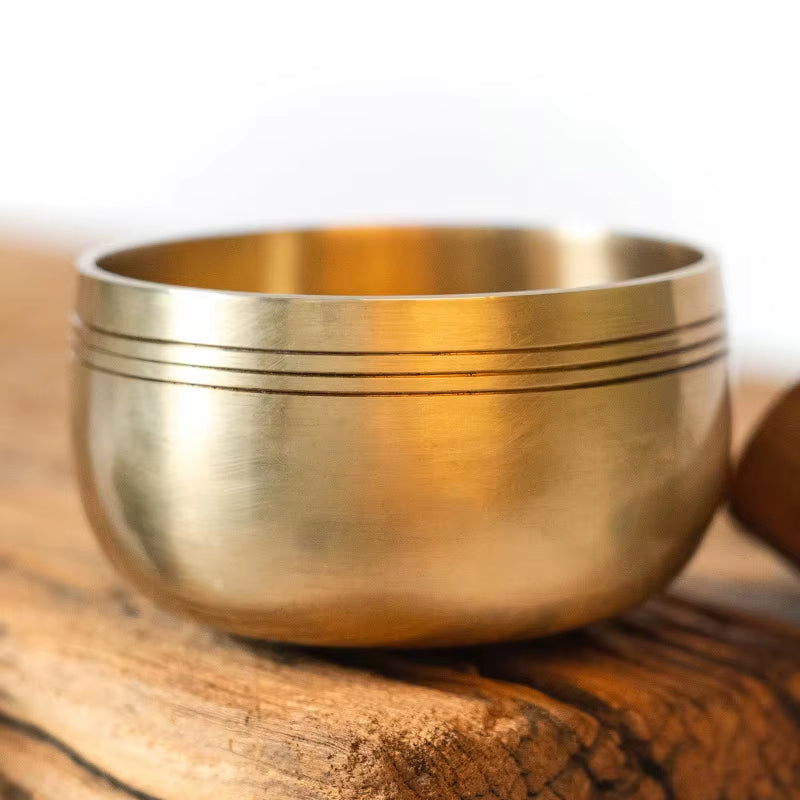
Authentic Hand-Hammered Tibetan Singing Bowls for Deep Sound Healing
You've felt it before—that moment in a sound bath when a single tone washes over you, and suddenly, the noise in your mind goes quiet. The tension in your shoulders melts. Your breath deepens. Now imagine bringing that transformative experience into your own sacred space, whenever you need it most. Our curated collection of authentic Tibetan singing bowls offers you more than an instrument. It offers a doorway to inner stillness, a daily ritual for nervous system regulation, and a lifetime companion for your meditation journey.
At Healing Sounds, we understand that choosing a singing bowl is deeply personal. You're not just buying a product—you're investing in a tool for genuine transformation. That's why we've spent years developing relationships with master artisans in Nepal's Kathmandu Valley, sourcing bowls that meet the exacting standards of both beginners seeking their first authentic piece and professional sound therapists building their practice.
Why Authentic Craftsmanship Matters for Sound Quality
Perhaps you've already discovered the frustrating truth about the singing bowl market: it's flooded with mass-produced, machine-made imitations that promise ancient wisdom but deliver flat, lifeless tones. Maybe you've even experienced the disappointment of a bowl that looked beautiful online but produced a thin, shallow sound that faded within seconds—leaving you feeling deceived and questioning whether sound healing could ever work for you.
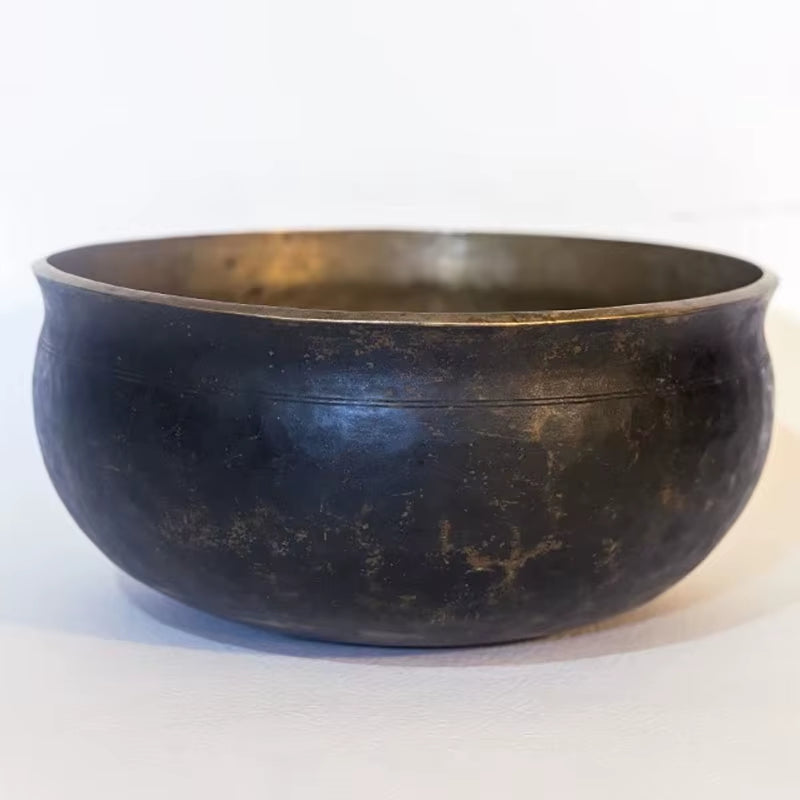
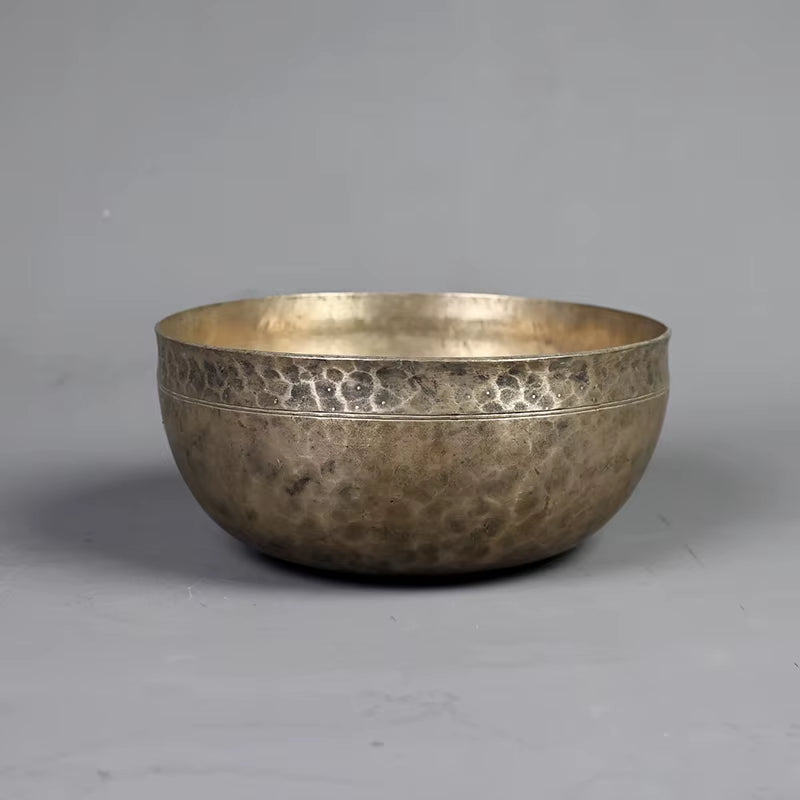
We believe you deserve better. Every hand-hammered singing bowl in our collection tells a story through its surface—thousands of hammer marks that aren't just decorative, but functional. Each strike of the artisan's hammer shapes the metal's crystalline structure, creating the complex overtones and sustained resonance that machine manufacturing simply cannot replicate. This is the difference between a bowl that produces a single note and one that creates a symphony of harmonics that continue evolving for 90 to 120 seconds.
Our commitment to authenticity goes beyond craftsmanship. We work exclusively with Nepalese family workshops that have preserved traditional metalworking techniques for generations. These artisans understand that a singing bowl is not merely a vessel—it's a precision instrument that requires mastery developed over decades of daily practice. When you choose a bowl from our collection, you're connecting with this unbroken lineage of skill and dedication.
Understanding the Seven-Metal Tradition
Traditional Himalayan singing bowls are crafted from a sacred alloy known as "panchaloga" or bell metal, incorporating seven planetary metals: gold, silver, mercury, copper, iron, tin, and lead. While modern metallurgical analysis shows that antique bowls vary significantly in their exact composition, the principle remains vital: different metals contribute distinct acoustic properties that create the rich, layered tones prized by serious practitioners.
Our bronze singing bowls are hand-forged from carefully proportioned alloys that honor this tradition while meeting contemporary safety standards. The copper provides warm, grounding bass frequencies. Tin adds brightness and clarity to the higher overtones. Trace elements of silver and gold—present in authentic traditional alloys—contribute subtle harmonic complexity that distinguishes a masterwork from an ordinary bowl.
When you strike or rim one of our bowls, you don't just hear a note. You experience a living, breathing soundscape where multiple frequencies interact, dance, and transform. This acoustic richness is what makes our bowls so effective for meditation practice, energy work, and therapeutic applications. The sound doesn't simply end—it evolves, gradually revealing deeper layers of resonance before finally releasing you back into silence.
The Science Behind Sound Bowl Therapy
While Himalayan singing bowls have been used for centuries in spiritual and ceremonial contexts, modern research is beginning to validate what practitioners have long known intuitively: sound vibration therapy produces measurable physiological changes that support overall wellbeing.
Neuroscience research has demonstrated that specific frequencies can influence brainwave activity. The fundamental tones produced by our singing bowls typically fall within ranges associated with alpha and theta brainwave states—the same patterns observed during deep meditation, creative flow, and restorative sleep. When you work with a properly tuned bowl, you're essentially providing your nervous system with an external rhythm that invites it to synchronize, a phenomenon researchers call "entrainment."
Studies examining sound bath participants have documented reductions in tension, anxiety, and negative mood states following sessions with singing bowls. Research conducted at medical institutions has shown that sound healing sessions can reduce perceived stress and physical discomfort, while simultaneously increasing feelings of spiritual wellbeing and physical relaxation.
Beyond mental and emotional effects, the physical vibrations produced by singing bowls create what practitioners call "sonic massage." When a bowl is placed on or near the body, its vibrations penetrate deep into tissues, potentially supporting circulation and cellular function. This is why many massage therapists, physical therapists, and bodyworkers now incorporate singing bowls into their treatment protocols.
Choosing Your Perfect Singing Bowl
One of the most common challenges our customers face is feeling overwhelmed by choice. With so many sizes, styles, and tonal variations available, how do you find the bowl that's right for your unique needs and practice?
Size and Frequency Relationships
Generally speaking, smaller bowls produce higher-pitched tones while larger bowls generate deeper, more grounding frequencies. But the relationship isn't always linear—two bowls of identical size can sound remarkably different depending on their thickness, metal composition, and forming technique.
| Bowl Size |
Typical Note Range |
Ideal Applications |
Energetic Focus |
| 3-5 inches (8-13 cm) |
Higher octave notes |
Travel meditation, personal altar, beginning practice |
Upper chakras: throat, third eye, crown |
| 6-8 inches (15-20 cm) |
Middle range notes |
Daily meditation, yoga practice, small group sessions |
Heart and solar plexus centers |
| 9-12 inches (23-30 cm) |
Bass frequencies |
Sound baths, professional therapy, deep meditation |
Root and sacral chakras, full body resonance |
| 13+ inches (33+ cm) |
Sub-bass vibrations |
Group sound journeys, temple installations, advanced practice |
Earth connection, profound grounding |
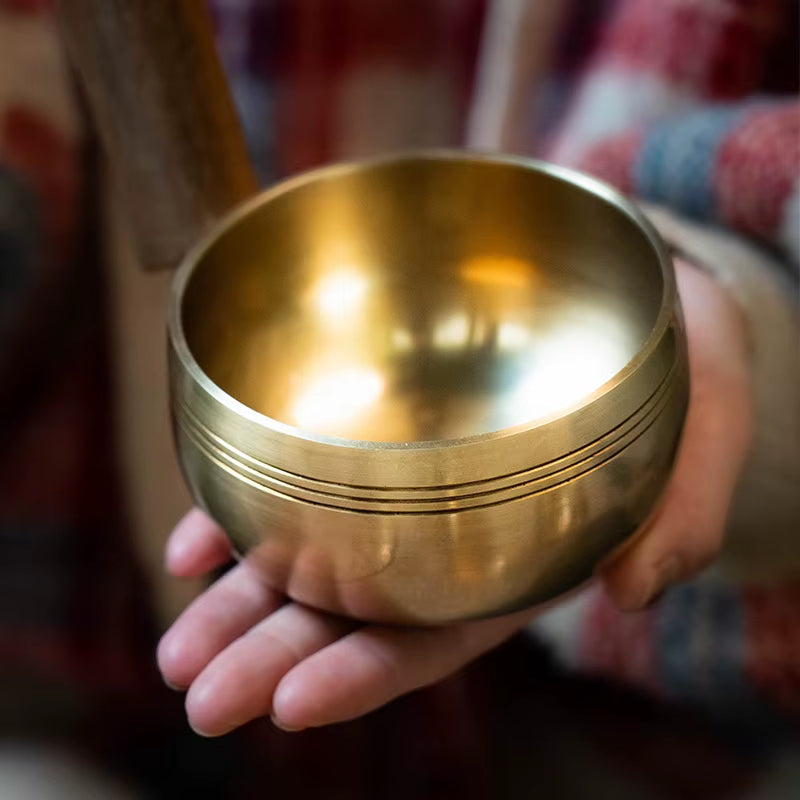
For personal meditation, we often recommend starting with a medium-sized bowl (6-8 inches) that offers versatility and balanced frequencies. These bowls are substantial enough to produce full, rich tones while remaining portable and easy to play. As your practice deepens, you may find yourself drawn to additional bowls that complement your original choice, eventually building a harmonically matched set.
Traditional Bowl Styles
Singing bowls from the Himalayan region come in several traditional forms, each with distinctive acoustic characteristics:
Thadobati bowls feature high, straight walls and flat bottoms, producing clear, bell-like tones with pronounced high-frequency overtones. These are excellent choices for meditation practitioners who prefer bright, focused sounds that cut through mental chatter.
Jambati bowls are characterized by their curved walls and rounded bottoms, creating warm, enveloping tones with rich bass content. Many sound therapists favor Jambati bowls for their grounding qualities and full-bodied resonance that seems to wrap around listeners.
Manipuri bowls are typically shallow with wide rims, designed for easy playing with a wooden mallet. Their accessible playing style makes them particularly popular for beginners, while their distinctive sound profile appeals to practitioners at all levels.
Ultabati bowls feature high walls that curve inward near the rim, creating complex, evolving overtones that change character as the sound develops. These bowls are prized by serious collectors and professional practitioners for their exceptional acoustic sophistication.
Chakra-Tuned Singing Bowls
Many practitioners seek bowls tuned to specific musical notes associated with the body's energy centers. Our chakra singing bowl sets are carefully selected to provide harmonically compatible tones across the full spectrum:
- Note C - Root Chakra (Muladhara): Grounding, security, physical vitality
- Note D - Sacral Chakra (Svadhisthana): Creativity, emotional flow, sensuality
- Note E - Solar Plexus Chakra (Manipura): Personal power, confidence, will
- Note F - Heart Chakra (Anahata): Love, compassion, emotional balance
- Note G - Throat Chakra (Vishuddha): Communication, self-expression, truth
- Note A - Third Eye Chakra (Ajna): Intuition, insight, inner wisdom
- Note B - Crown Chakra (Sahasrara): Spiritual connection, higher consciousness
Each bowl in our chakra-tuned collection includes certification documenting its precise fundamental frequency, measured using professional-grade tuning equipment. This ensures you can confidently incorporate our bowls into frequency-specific healing protocols.
For Beginners: Starting Your Sound Healing Journey
If you're new to singing bowls, the prospect of choosing your first instrument can feel daunting. Rest assured—there's no wrong choice, only different paths to the same destination of inner peace and present-moment awareness.
Our beginner-friendly singing bowl sets take the guesswork out of getting started. Each set includes a carefully chosen bowl, a quality playing mallet, a cushion for proper placement, and detailed instructions that guide you from your very first tone to confident, independent practice. Many sets also include access to video tutorials that demonstrate proper striking and rimming techniques.
When selecting your first bowl, we encourage you to trust your intuition. Which bowls call to you visually? Which descriptions resonate with your intentions for practice? While technical considerations matter, the most powerful bowl for your journey is ultimately the one that speaks to your heart.
Consider starting with a bowl that serves multiple purposes. A 6-7 inch bowl in the middle frequency range can anchor morning meditation, accompany yoga practice, mark the transitions in your daily routine, and serve as a beautiful reminder of your commitment to mindfulness when displayed on your altar or meditation space.
For Professional Practitioners: Building Your Sound Healing Toolkit
If you're a yoga instructor, massage therapist, meditation teacher, or certified sound healer, you understand that your instruments are investments in your professional practice. The quality of your tools directly impacts client outcomes and your reputation in your community.
Our professional-grade singing bowls are selected to meet the demands of regular use in therapeutic settings. Key features that distinguish our professional offerings include:
- Extended sustain times (90-120+ seconds) that allow deep relaxation response to develop
- Consistent, predictable tone production essential for precise therapeutic work
- Durable construction that maintains acoustic integrity through years of daily use
- Harmonically matched sets where each bowl complements rather than conflicts with others
- Clear fundamental frequencies suitable for targeted chakra or meridian work
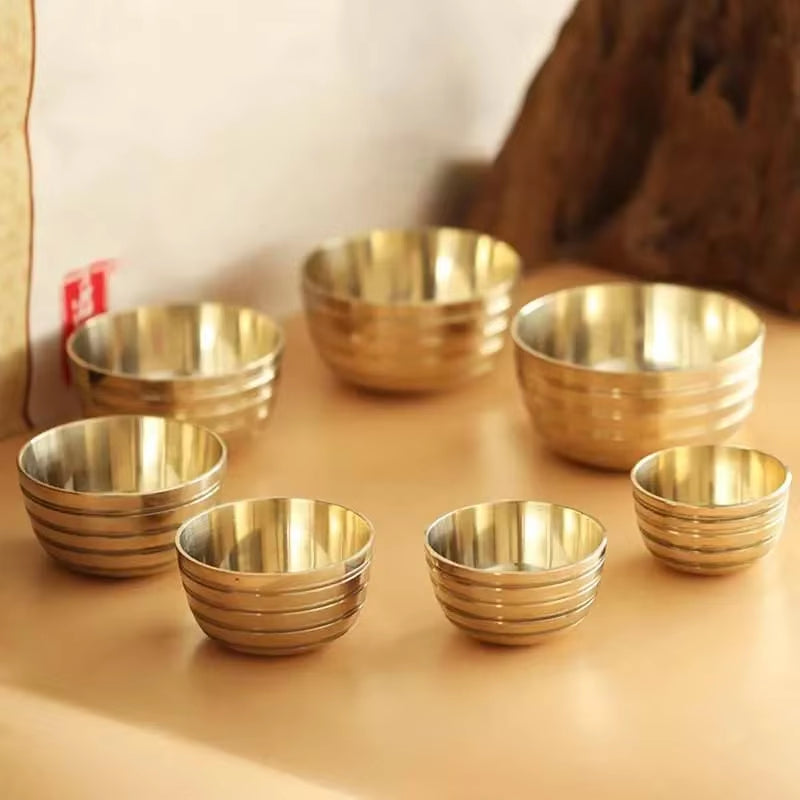
Many professional practitioners gradually build collections of multiple bowls, creating personalized "sound medicine kits" tailored to their specific modalities. A sound bath facilitator might assemble a set of seven chakra-tuned bowls for comprehensive energy work. A trauma-informed therapist might focus on grounding bass frequencies. A meditation teacher might choose bowls with particularly long sustain to support extended silence practices.
We invite you to explore our complete singing bowl collection to discover instruments that support your professional vision. Our team is always available to discuss your specific needs and recommend bowls that serve your unique practice.
The Art of Playing Your Singing Bowl
A beautiful bowl is only the beginning—mastering the technique of playing transforms your instrument from an object into a living source of healing sound.
Striking Technique
The simplest way to activate your bowl is with a direct strike. Hold the mallet like a drumstick, allowing it to bounce naturally off the bowl's outer wall. The goal is a clean, resonant tone that develops and sustains without harshness. Common beginner mistakes include striking too hard (creating an aggressive, metallic clang) or too softly (producing a weak tone that dies quickly).
Experiment with different striking locations. The rim typically produces brighter tones, while the body generates warmer, fuller sounds. The exact sweet spot varies from bowl to bowl—part of the joy of owning a singing bowl is discovering its unique personality through patient exploration.
Rimming Technique
The singing effect that gives these instruments their name comes from a circular motion around the bowl's rim, similar to rubbing your finger around the edge of a crystal glass. Using a wooden or leather-wrapped mallet, maintain consistent pressure and speed as you circle the rim. The bowl will begin to "sing"—producing a sustained, evolving tone that builds in intensity.
This technique requires practice to master. Beginners often press too hard, damping the vibration, or move too quickly, skipping over the resonant frequency. With patience, you'll develop the sensitivity to find your bowl's optimal playing zone, where minimal effort produces maximum sound.
Water Bowls and Advanced Techniques
Adding a small amount of water to your bowl creates mesmerizing visual effects as the vibrations generate standing wave patterns on the surface. This "water bowl" technique is particularly popular in sound baths and demonstrations, though it's important to dry your bowl thoroughly afterward to prevent oxidation.
Advanced practitioners explore techniques like multi-bowl playing, combining struck and sung tones, and incorporating bowls into guided meditation narratives. Our comprehensive guide to singing bowl selection and technique offers detailed instruction for practitioners at every level.
Caring for Your Singing Bowl
Properly maintained, a quality bronze singing bowl can retain its acoustic properties for generations. These instruments were built to last—some antique bowls still in use today are hundreds of years old.
Daily Care
After each use, wipe your bowl gently with a soft, dry microfiber cloth to remove oils from handling. Store your bowl on its cushion in a clean, dry location away from extreme temperatures and humidity. Avoid placing other objects inside the bowl, which can scratch the interior and affect tone quality.
Deep Cleaning
If your bowl develops a patina or tarnish—natural processes with bronze alloy—you can clean it using specialized bronze care products or a gentle solution of warm water and mild soap. Never submerge your bowl or expose it to harsh chemicals. Some practitioners prefer to leave natural patina intact, viewing it as evidence of the bowl's history and character.
Energetic Cleansing
Many sound healers believe that singing bowls can absorb energetic residue from healing sessions and benefit from regular clearing. Popular methods include exposure to moonlight (especially during full moons), smudging with sage or palo santo, or simply playing the bowl itself—allowing its own vibrations to reset its energetic state.
Our Commitment to Ethical Sourcing
When you purchase a singing bowl from Healing Sounds, you're supporting more than your own wellness journey. Our direct partnerships with Nepalese artisan workshops ensure fair compensation for skilled metalworkers and their families, helping preserve traditional crafts that might otherwise be lost to cheaper industrial production.
We're proud to work with cooperatives that prioritize worker welfare, including women-owned workshops providing economic opportunities in regions with limited employment options. Our commitment extends to environmental responsibility—traditional metalworking methods produce significantly less waste and pollution than industrial manufacturing processes.
Every bowl in our collection represents human hands, human skill, and human intention. When you hold your bowl, you're connecting not only with ancient tradition but with the contemporary artisan who shaped it, the community that supported their work, and the values we share: authenticity, craftsmanship, and care for human wellbeing at every level of the supply chain.
Integrating Singing Bowls Into Your Daily Practice
The true power of a singing bowl reveals itself through consistent use. Here are some ways to weave sound meditation into your everyday life:
Morning Intention Setting
Begin each day with three mindful strikes of your bowl. As the sound develops and decays, breathe deeply and set an intention for the hours ahead. This simple ritual takes less than a minute but creates a container of presence that can influence your entire day.
Meditation Timer
Rather than harsh alarm sounds, use your bowl to mark the beginning and end of meditation sessions. The organic, fading quality of a singing bowl tone transitions you gently into and out of practice, rather than jarring you with sudden silence or noise.
Yoga Practice Enhancement
Incorporate your bowl during savasana (final relaxation), allowing its tones to deepen the integration of your practice. Some practitioners also use brief bowl sounds to mark transitions between poses or sequences.
Evening Wind-Down
As part of a bedtime routine, 5-10 minutes of bowl playing can signal to your nervous system that the day is complete. Many of our customers report improved sleep quality when they incorporate singing bowl practice into their evening rituals.
Mindful Pause
During stressful moments, a single bowl strike offers an instant reset. The act of playing requires present-moment attention, while the resulting tone provides a focal point that draws your awareness away from racing thoughts and back to immediate sensory experience.
Complementary Sound Healing Tools
While singing bowls form the foundation of many sound healing practices, they work beautifully in combination with other vibrational instruments. Consider expanding your toolkit with:
-
Tingsha cymbals - Paired bells that produce bright, cutting tones perfect for beginning and ending meditation or clearing energy
-
Tuning forks - Precision instruments for targeted frequency work on specific body points or energy centers
-
Crystal singing bowls - Pure quartz instruments offering different tonal qualities that complement traditional bronze bowls
-
Wooden mallets and strikers - Different materials produce different tones from the same bowl, expanding your sonic palette
Our collection includes carefully selected accessories designed to enhance your singing bowl practice, from premium silk cushions that display your bowl beautifully to specialized mallets that unlock your instrument's full acoustic potential.
Frequently Asked Questions
How do I know if a singing bowl is authentic?
Authentic hand-hammered bowls display visible hammer marks across their surfaces—evidence of individual attention from a skilled artisan. Machine-made bowls typically have smooth, uniform surfaces and more predictable, less complex tonal characteristics. When possible, listen to audio recordings of specific bowls before purchasing, and choose sellers who can document the origin and creation process of their instruments.
What size singing bowl should I start with?
For most beginners, a bowl in the 5-7 inch (13-18 cm) range offers an ideal balance of portability, playability, and full sound. These medium-sized bowls are versatile enough for various applications while remaining easy to handle and store. Our beginner sets in this size range include everything you need to start practicing immediately.
Can singing bowls really help with anxiety and stress?
Many practitioners and a growing body of research suggest that singing bowl vibrations can support relaxation and stress reduction. The act of playing a bowl requires focused attention that naturally interrupts anxiety spirals, while the sound itself may influence brainwave activity toward calmer states. Results vary between individuals, and singing bowls work best as part of a comprehensive approach to wellbeing rather than a standalone treatment.
How often should I practice with my singing bowl?
Consistency matters more than duration. Even a few minutes of daily practice can create meaningful benefits over time. Many of our customers find that 5-15 minutes of morning or evening practice fits naturally into their routines. Trust your intuition—some days you may feel drawn to extended sessions, while other days a single mindful tone may be enough.
Do the bowls come with everything I need to start?
Our singing bowl sets include the bowl itself, an appropriate mallet or striker, and a cushion for proper placement. Many sets also include care instructions and access to video tutorials. Individual bowls are often sold separately, allowing experienced practitioners to select specific accessories based on their preferences.
What is your return policy if the bowl doesn't sound right to me?
We stand behind every instrument in our collection with our complete satisfaction guarantee. If your bowl doesn't resonate with you—literally or figuratively—contact our team within 30 days of purchase. We're committed to finding you the perfect match, whether that means exchanging for a different bowl or providing a full refund.
How do you ship singing bowls safely?
Every bowl is carefully wrapped and cushioned in protective packaging designed specifically for delicate instruments. We ship globally with full insurance and tracking, and most orders arrive within 7-12 business days depending on location. Our packaging methods ensure your bowl arrives in perfect condition, ready to sing.
Can children use singing bowls?
Singing bowls can be wonderful tools for teaching children mindfulness and emotional regulation. Smaller bowls (3-5 inches) are easier for small hands to manage. Always supervise children during practice, as bowls are heavy metal objects that can cause injury if dropped. Many parents find that incorporating brief sound practices into bedtime routines helps children transition calmly to sleep.
Begin Your Sound Healing Journey Today
Every singing bowl holds infinite potential—the potential to transform your morning into a sacred ritual, to anchor your meditation practice in resonant vibration, to bring you back to center when life feels chaotic, to connect you with a tradition of sonic healing that spans centuries and continents.
At Healing Sounds, we're honored to guide you toward the perfect instrument for your unique path. Whether you're choosing your very first bowl or adding to a professional collection, our commitment remains the same: authentic craftsmanship, transparent sourcing, and genuine care for your wellbeing and satisfaction.
Explore our collection now and discover the singing bowl that's been waiting to find its way to you. Your journey to inner harmony begins with a single tone.